Modern urban homes are not built according to traditional vastu principles. Apartments, builder floors, rented flats, compact duplex homes, and commercial spaces are usually designed based on construction efficiency, parking layouts, ventilation, and real-estate economics — not vastu alignment.
As a result, many homeowners discover vastu-related issues only after moving into the property.
Common examples include:
- Kitchen in the North-East
- Toilet in the North-East
- South-facing entrance
- Bedroom in the wrong direction
- Missing corners
- Improper placement of mirrors
- Incorrect water element placement
- Fire and water element conflict
Traditionally, vastu correction often involved structural changes:
- Breaking walls
- Shifting entrances
- Moving kitchens
- Reconstructing toilets
- Altering floor layouts
For most modern homeowners, these solutions are impractical.
Especially in:
- Rented apartments
- Ready-to-move homes
- Commercial offices
- Small apartments
- High-rise buildings
- Shared spaces
This is where non-demolition vastu remedies become relevant.
Instead of structural reconstruction, these remedies focus on symbolic correction, directional balancing, spatial alignment, and element representation through carefully selected materials, placements, colors, and energy-balancing tools.
Why Modern Homes Face More Vastu Challenges
Traditional Indian homes were often designed around:
- Cardinal directions
- Courtyards
- Natural sunlight
- Air circulation
- Open spaces
- Water flow
- Element balance
Modern construction priorities are different.
Builders optimize for:
- Space utilization
- Maximum units per floor
- Parking efficiency
- Plumbing convenience
- Electrical routing
- Market demand
Because of this, vastu alignment is usually secondary.
As a result:
- Toilets may appear in sensitive zones
- Kitchens may be placed incorrectly
- Main entrances may conflict with vastu principles
- Bedrooms may not align with directional recommendations
- Staircases may disturb balance
Most people cannot reconstruct these spaces.
So the real-world question becomes:
How can vastu corrections be implemented without demolition?
What Are Non-Demolition Vastu Remedies?
Non-demolition vastu remedies are correction methods designed to address vastu imbalances without physically reconstructing the property.
These remedies generally use:
- Direction-specific metals
- Symbolic balancing tools
- Color balancing
- Spatial correction systems
- Element representation
- Traditional vastu principles
The goal is not to redesign the building.
The goal is to reduce directional imbalance and improve symbolic harmony within the available structure.
These remedies are particularly useful for:
- Existing homes
- Rented spaces
- Apartments
- Offices
- Retail shops
- Commercial units
- Factories
- Clinics
- Workspaces
Common Non-Demolition Vastu Remedies
1. Metal Strips
Metal strips are among the most widely used vastu correction tools.
Different metals are associated with different directional and elemental representations.
Examples:
- Copper strips
- Brass strips
- Steel strips
- Iron strips
- Aluminum strips
These are often used for:
- Toilet correction
- Entrance correction
- Direction balancing
- Zone separation
- Energy alignment
2. Helix Remedies
Helix remedies are spiral-shaped directional correction tools traditionally used for balancing directional energy zones.
Different metals are associated with specific directions.
Examples:
- Copper helix
- Brass helix
- Iron helix
They are commonly used in:
- Residential spaces
- Commercial spaces
- Office cabins
- Apartments
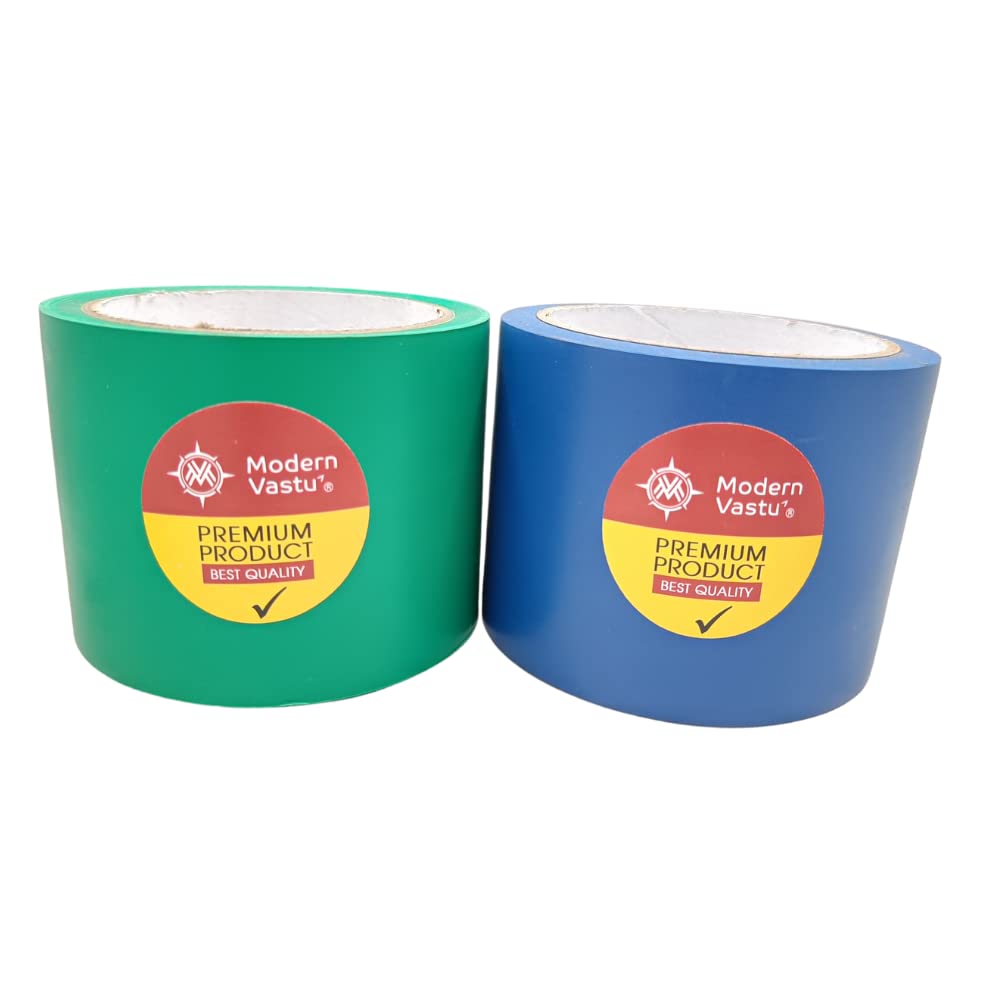
3. Color-Based Corrections
Color balancing is another widely used non-demolition remedy.
Different colors are associated with different elements.
Examples include:
- Red for fire element
- Blue for water element
- Green for wood/growth symbolism
- White for metal purity representation
Color tapes and directional placements are commonly used in spaces where structural changes are impossible.
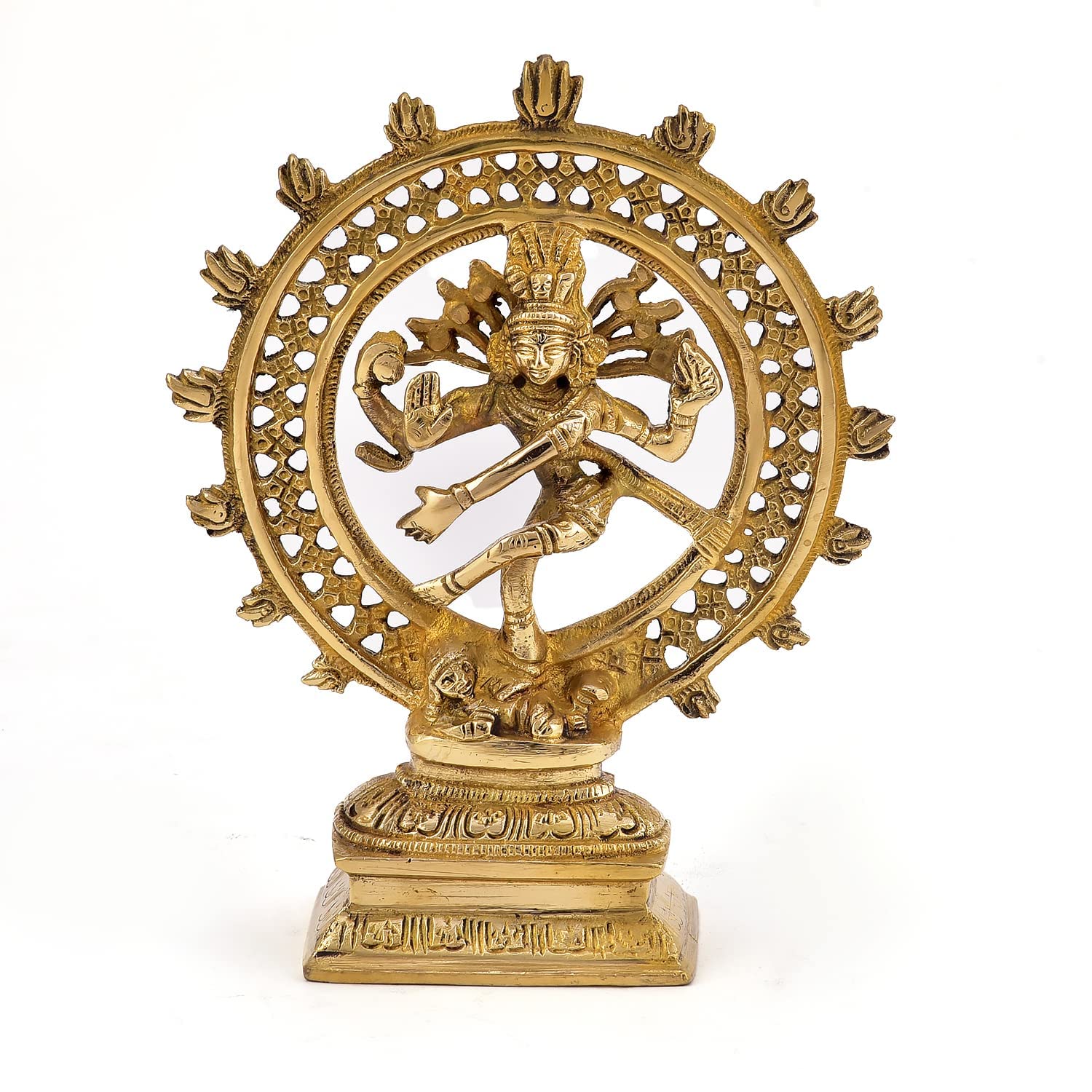
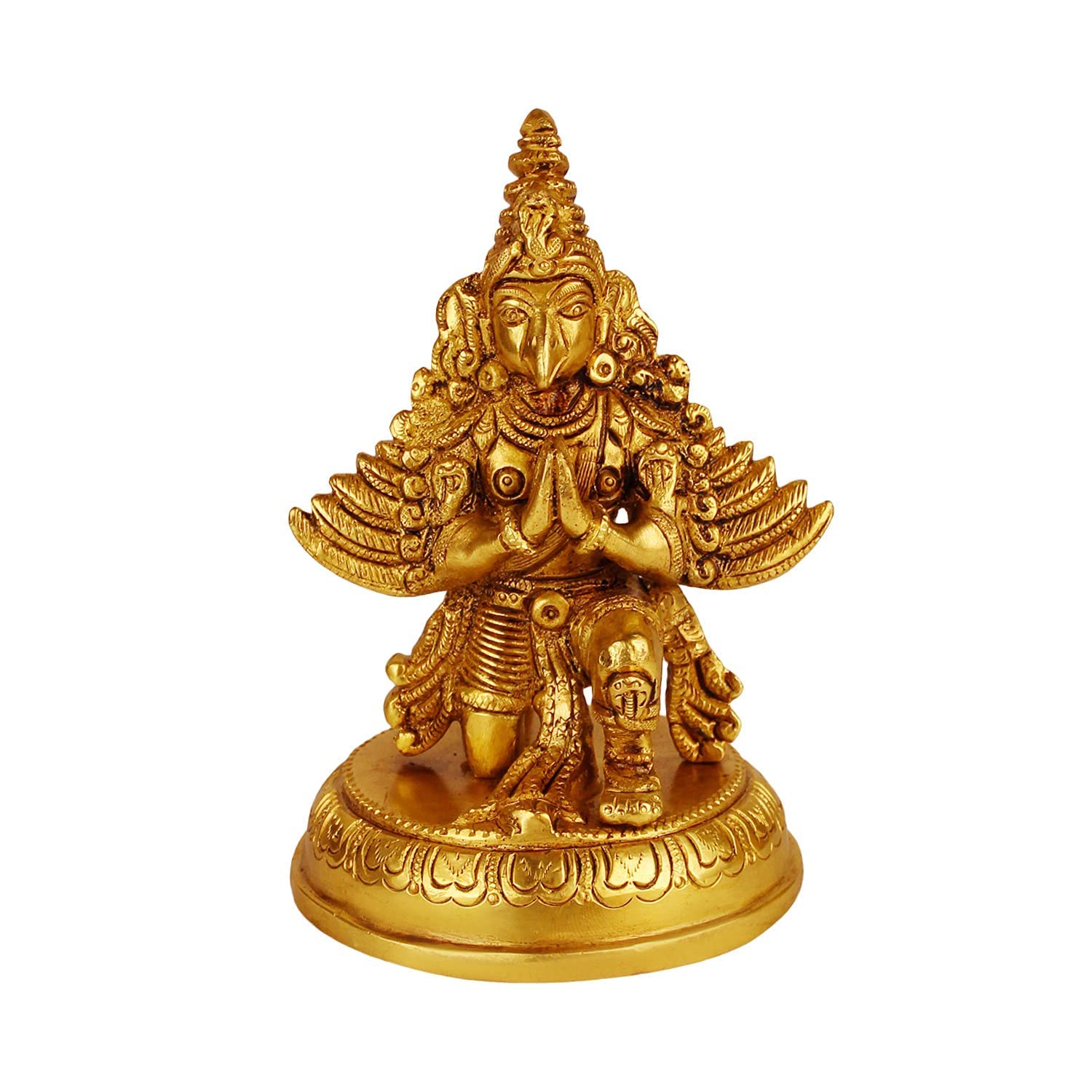
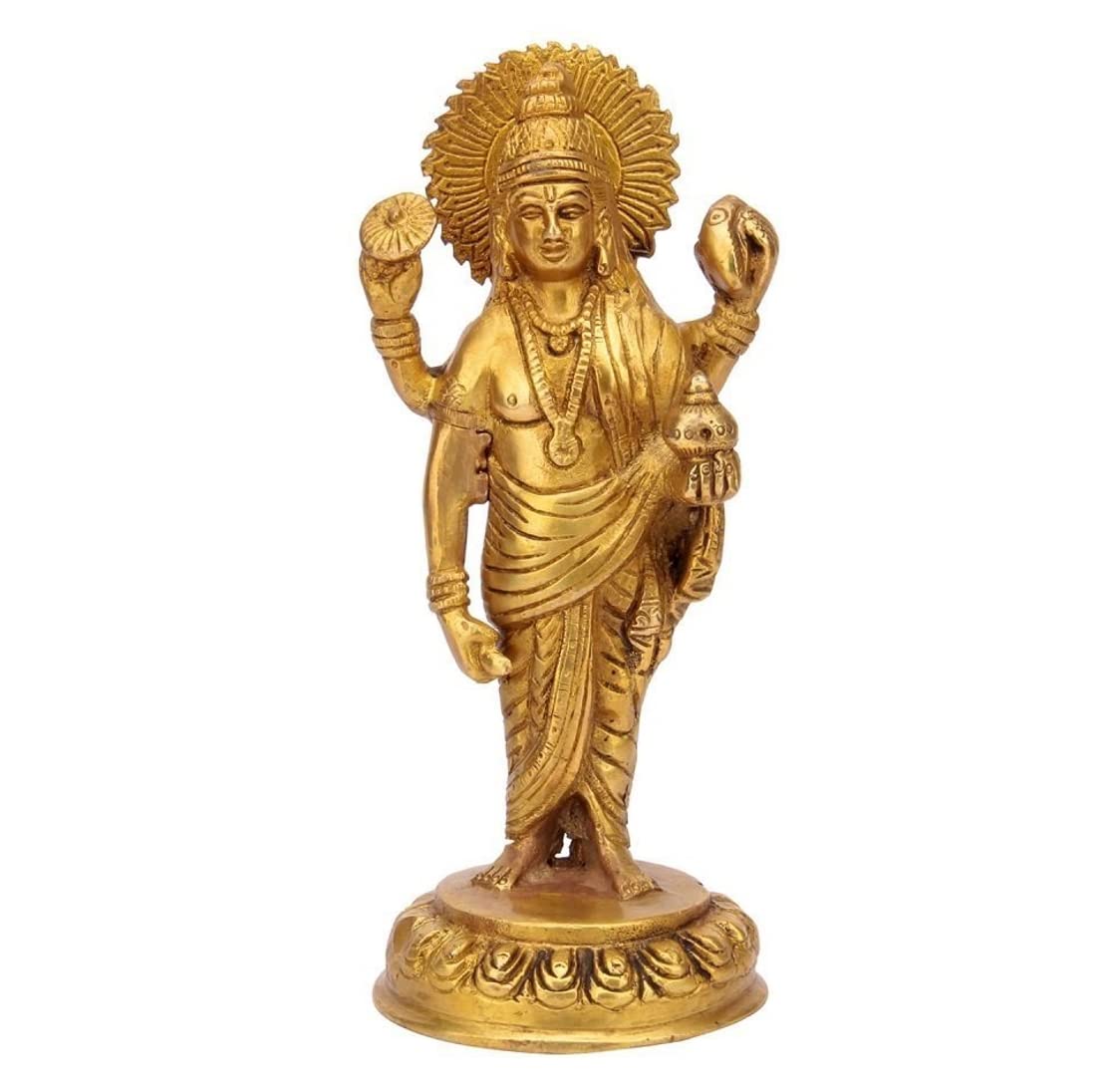
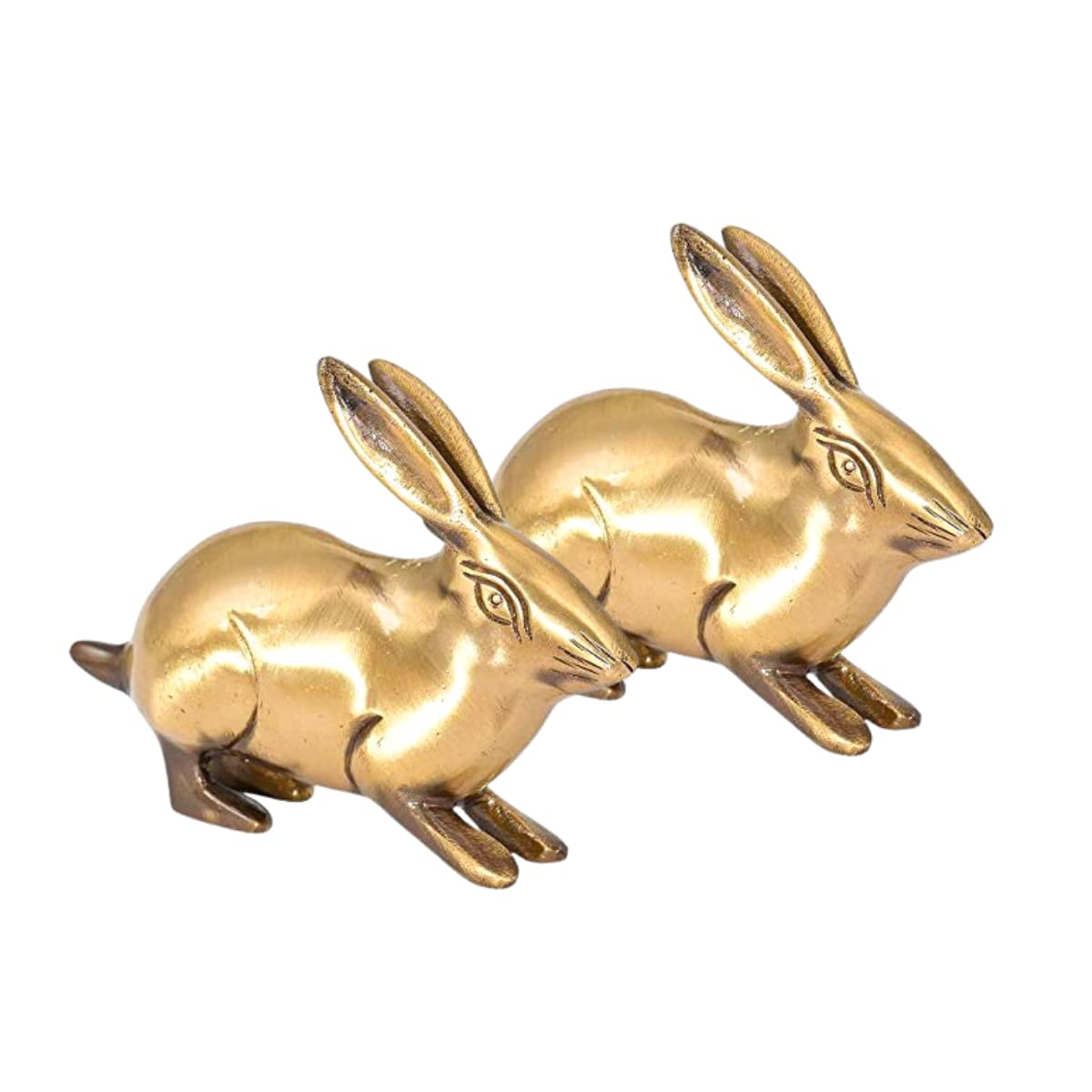
4. Brass Idols and Symbolic Remedies
Symbolic vastu remedies include:
- Kuber idols
- Tortoise
- Kamdhenu
- Nandi
- Deer
- Swastik symbols
- Sun representations
These are generally associated with prosperity, stability, positivity, or directional symbolism.
Vastu Remedies for Common Home Problems
Toilet in North-East
This is one of the most commonly discussed vastu concerns.
Traditional vastu considers the North-East zone sensitive because it is associated with water and spiritual balance.
When reconstruction is impossible, commonly used non-demolition remedies include:
- Metal strips
- Color balancing
- Directional correction tools
- Space purification methods
Kitchen in North-East
The kitchen represents the fire element.
North-East is traditionally linked with water and calmness.
This creates a symbolic conflict in vastu theory.
Possible non-demolition approaches include:
- Fire balancing tools
- Directional color correction
- Copper-based remedies
- Space arrangement optimization
South-Facing Entrance
South-facing entrances are widely misunderstood.
Not every south-facing entrance is automatically negative.
The actual impact depends on:
- Exact directional degrees
- Internal layout
- Element placement
- Weight distribution
- Space utilization
Instead of demolition, modern remedies may include:
- Metal strips
- Entrance balancing symbols
- Directional placement tools
- Threshold corrections
Vastu Remedies for Rented Apartments
Rented apartments create unique challenges.
Tenants usually cannot:
- Break walls
- Shift kitchens
- Modify plumbing
- Change entrances
- Alter structure
This makes non-invasive remedies extremely important.
Ideal solutions for rented homes include:
- Portable remedies
- Non-drilling installations
- Color corrections
- Compact symbolic remedies
- Temporary balancing tools
The Psychology Behind Vastu Remedies
Many homeowners do not just seek physical correction.
They seek:
- Peace of mind
- Emotional balance
- Reduced anxiety
- Sense of control
- Positive environment
- Symbolic alignment
A home affects human psychology deeply.
Lighting, direction, organization, openness, cleanliness, and symbolism all influence how a space feels.
Even when viewed practically, structured spaces often create:
- Better discipline
- Improved organization
- Cleaner environments
- Greater intentionality
Important Things to Avoid
Many people make mistakes while applying vastu remedies.
Avoid blindly following social media advice
Short-form content often oversimplifies vastu.
Avoid excessive remedies
Too many remedies create clutter and confusion.
Avoid fear-based marketing
Any consultant claiming:
- instant wealth
- guaranteed success
- miraculous transformation
should be approached cautiously.
Avoid random product placement
Direction-specific remedies should be used carefully.
How to Choose the Right Vastu Remedy
Before selecting any remedy, consider:
- Exact problem area
- Direction of issue
- Property type
- Structural limitations
- Existing layout
- Purpose of correction
A remedy used for one direction may not be suitable for another.
Final Thoughts
Modern homes are rarely designed with perfect vastu alignment.
That does not mean every property requires demolition.
Non-demolition vastu remedies provide an alternative approach for homeowners who want practical, non-invasive correction methods.
The key is balance.
A well-organized, clean, intentional, and thoughtfully arranged space often creates a more peaceful environment regardless of structural limitations.
Instead of panic-driven changes, focus on:
- Practical improvements
- Directional awareness
- Clutter reduction
- Better organization
- Thoughtful remedy placement
- Long-term harmony
For apartments, rented homes, offices, and modern urban spaces, non-demolition vastu correction is often the most realistic and sustainable approach.