Modern homes are rarely designed according to traditional vastu principles. In apartments, builder floors, and compact urban homes, bathrooms are usually placed wherever plumbing and construction convenience allow.
As a result, many homeowners later discover that their toilet is located in a direction considered problematic in vastu.
This creates panic because traditional vastu advice often sounds extreme:
- Shift the toilet
- Break walls
- Change plumbing
- Reconstruct the bathroom
- Redesign the layout
For most people, this is unrealistic.
Especially if you live in:
- A rented apartment
- A ready-to-move flat
- A high-rise building
- A shared property
- A compact urban home
The good news is that modern vastu correction today focuses far more on non-demolition remedies than structural reconstruction.
Instead of breaking walls, the focus shifts toward:
- Directional balancing
- Symbolic correction
- Better organization
- Element balancing
- Space purification
- Environmental improvement
This article explains practical ways to approach toilet vastu correction without demolition.
Why Toilet Placement Matters in Vastu
Traditional vastu associates every direction with specific elemental qualities and symbolic meanings.
Bathrooms and toilets are generally associated with:
- Waste disposal
- Drainage
- Water movement
- Removal processes
According to vastu theory, when these functions occur in sensitive zones, imbalance may arise.
Commonly discussed problematic placements include:
| Toilet Placement | Common Vastu Concern |
|---|---|
| North-East | Water/spiritual imbalance |
| Center of House | Energy disturbance |
| South-West | Stability disruption |
| North-East corner | Mental stress and imbalance |
| Brahmasthan | Central energy disturbance |
However, modern architecture rarely allows perfect layouts.
That is why practical correction methods matter more than fear-driven reactions.
First: Don’t Panic
This is important.
The internet has turned toilet vastu into fear-based content.
You’ll often see exaggerated claims like:
- “Toilet in North-East destroys life.”
- “Wrong bathroom direction causes failure.”
- “Your home is doomed.”
Most of this is attention-driven marketing.
Realistically:
- millions of apartments have imperfect layouts,
- most people cannot redesign structures,
- environmental quality matters more than superstition alone.
A clean, organized, functional bathroom has a much greater day-to-day impact than panic.
Step 1 — Identify the Exact Toilet Direction Properly
Before applying any remedy, identify the actual direction correctly.
Most people make this mistake:
they guess direction randomly.
Use:
- digital compass,
- vastu compass,
- floor plan alignment.
Check:
- exact toilet zone,
- seat direction,
- drainage side,
- surrounding rooms.
A toilet slightly shifted from North-East is very different from one exactly occupying the corner.
Accuracy matters.
Step 2 — Improve Cleanliness Aggressively
This sounds basic, but it is one of the most practical corrections possible.
A dirty bathroom naturally creates:
- heaviness,
- discomfort,
- odor,
- visual stress,
- moisture buildup.
Even psychologically, poorly maintained bathrooms negatively affect how the home feels.
Focus on:
Essential Bathroom Maintenance
- Keep floor dry
- Prevent leakage
- Clean drains regularly
- Remove mold
- Improve smell
- Deep clean corners
- Repair broken tiles
- Remove rust stains
A neglected bathroom amplifies negativity far more than direction alone.
Step 3 — Improve Ventilation
Poor ventilation traps:
- humidity,
- odor,
- stale air,
- moisture.
This creates discomfort regardless of vastu belief.
Improve ventilation using:
- exhaust fans,
- open windows,
- air circulation,
- moisture control,
- proper lighting.
Well-ventilated bathrooms feel lighter and healthier.
Step 4 — Use Non-Demolition Metal Remedies
Metal-based remedies are among the most widely used vastu correction tools.
Different metals are traditionally associated with different directional balancing systems.
Commonly used metals include:
| Metal | Common Usage |
|---|---|
| Copper | Fire-related balancing |
| Brass | Directional balancing |
| Iron | Stability correction |
| Steel | Structural balancing |
| Aluminum | Symbolic balancing |
These are often applied through:
- metal strips,
- directional placement tools,
- symbolic balancing systems.
The purpose is not reconstruction.
The purpose is symbolic directional correction without structural damage.
Step 5 — Use Color Balancing Carefully
Colors influence both psychology and symbolic representation.
Certain colors are traditionally associated with specific elements.
Examples:
| Color | Traditional Association |
|---|---|
| Red | Fire |
| Blue | Water |
| Green | Growth |
| White | Purity and balance |
| Earth tones | Stability |
For toilets:
- avoid excessive dark heaviness,
- maintain visual cleanliness,
- use balanced tones.
Simple adjustments can include:
- towels,
- mats,
- wall accents,
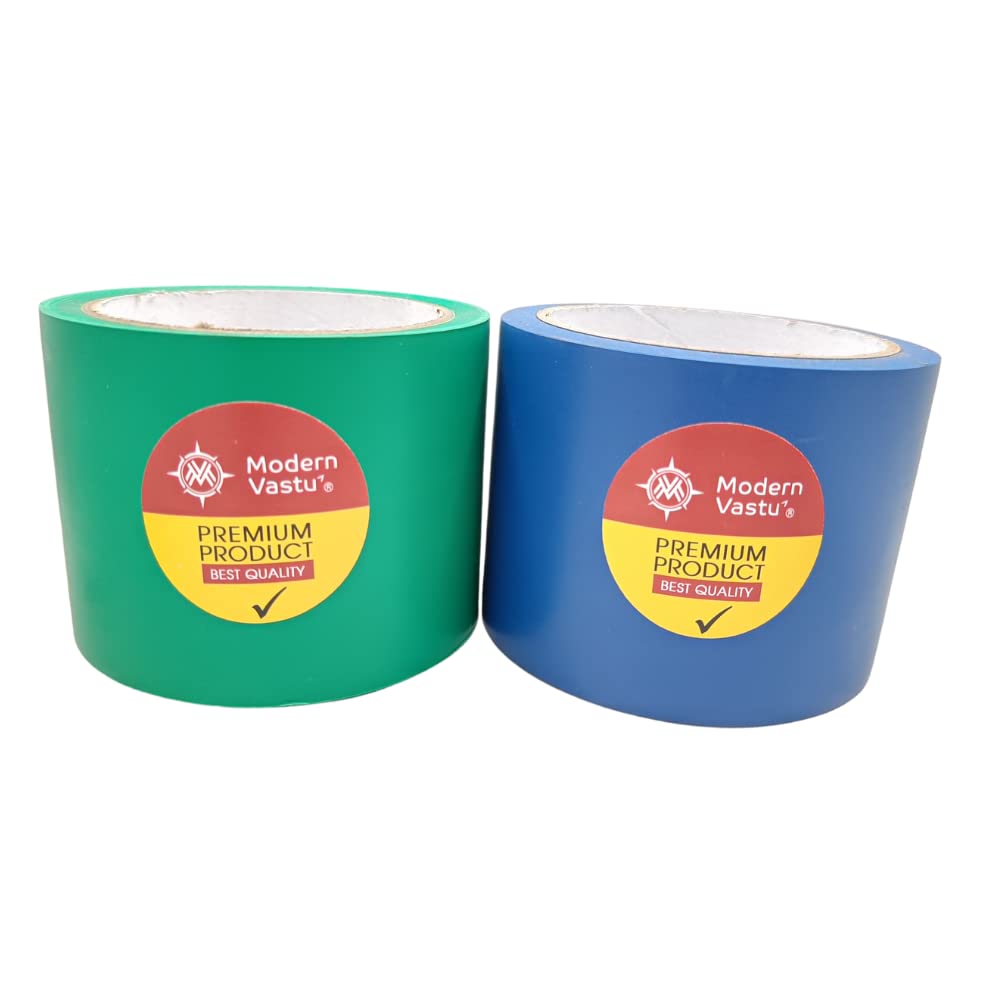
- removable color tapes,
- accessories.
Avoid overdoing symbolic colors aggressively.
Step 6 — Reduce Clutter
Clutter creates visual chaos.
Bathrooms become problematic faster when filled with:
- broken buckets,
- unused bottles,
- damaged storage,
- old cleaning products,
- random junk.
Minimal, organized bathrooms feel significantly better.
Keep:
- storage simple,
- counters clean,
- unnecessary objects removed.
Step 7 — Correct Mirror Placement
Mirrors are often discussed heavily in vastu.
Avoid:
- broken mirrors,
- dirty mirrors,
- badly placed reflections.
Instead:
- keep mirrors clean,
- ensure adequate lighting,
- avoid visually chaotic placement.
The goal should be functional clarity, not superstition overload.
Step 8 — Focus on Practical Energy, Not Fear
Many people misunderstand vastu completely.
They think:
“One wrong direction destroys everything.”
Realistically, home quality depends on:
- cleanliness,
- sunlight,
- airflow,
- organization,
- functionality,
- comfort,
- maintenance.
A clean apartment with minor vastu imbalance usually feels better than a “perfect vastu” home filled with clutter and neglect.
Toilet Vastu for Apartments
Apartment owners face special limitations.
Usually they cannot:
- shift pipelines,
- rebuild bathrooms,
- alter structure,
- change drainage layout.
That is why portable and non-destructive remedies make more sense.
Recommended approach:
Focus on:
- symbolic balancing,
- cleanliness,
- directional awareness,
- organization,
- removable corrections.
Avoid expensive reconstruction unless absolutely necessary.
Toilet Vastu for Rented Homes
Tenants should avoid permanent changes.
Ideal remedies include:
- portable symbols,
- removable strips,
- temporary balancing tools,
- color correction,
- better organization.
You do not own the structure.
Do not overspend correcting a temporary property.
Common Toilet Vastu Mistakes
Mistake 1 — Blindly Following Viral Advice
Social media oversimplifies everything.
Every home layout is different.
What works in one property may not suit another.
Mistake 2 — Installing Too Many Remedies
People often overload bathrooms with:
- pyramids,
- mirrors,
- crystals,
- symbols,
- random products.
This creates clutter instead of balance.
Minimal correction is usually more effective.
Mistake 3 — Ignoring Real Maintenance Issues
Sometimes the actual problem is:
- bad smell,
- leakage,
- darkness,
- mold,
- poor ventilation.
Fix practical problems first.
A Balanced Perspective on Toilet Vastu
Toilet vastu should not become fear psychology.
The goal is not perfection.
The goal is thoughtful improvement.
Modern homes have constraints.
That is normal.
Non-demolition corrections exist because most people need practical solutions — not reconstruction chaos.
Final Thoughts
You do not need to break walls to improve your home environment.
For most apartments and modern homes, practical toilet vastu correction should focus on:
- cleanliness,
- organization,
- ventilation,
- symbolic balancing,
- non-invasive remedies,
- clutter reduction,
- directional awareness.
A well-maintained bathroom almost always feels more positive than a neglected one — regardless of layout.
Instead of panic-driven demolition, focus on calm, practical improvement.
That approach is more sustainable, affordable, and realistic for modern living.